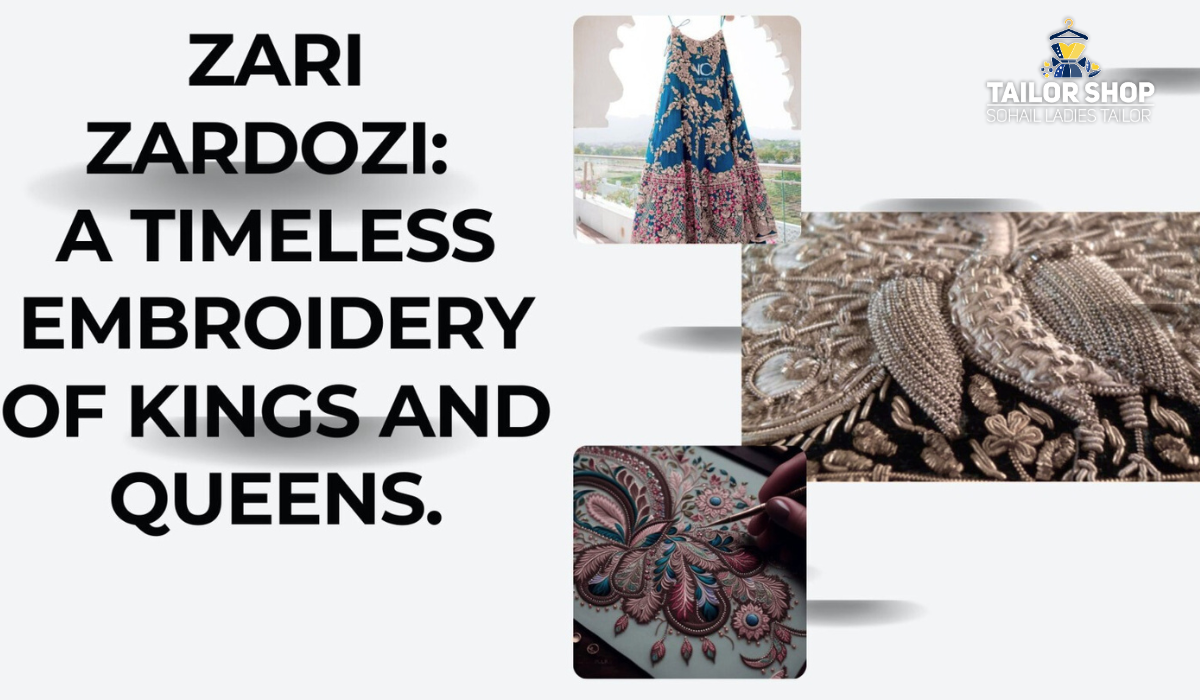
Zari Zardozi: A Timeless Embroidery of Kings and Queens
- January 01, 2026
- Sohail Ladies Tailor
Discover the elegance of Zari Zardozi, the royal embroidery of Kings and Queens. Explore its history, craftsmanship, and role in bridal fashion.
Zari Zardozi: A Timeless Embroidery of Kings and Queens.
Zari Zardozi is not just a type of embroidery; it is a symbol of luxury, royalty, and craftsmanship that has been around for hundreds of years. It is made with shining gold and silver thread and a detailed design. Zari Zardozi is linked to the king, queens, and royal court. It was once seen in the Grand Palace of the Mughal era, and now it is popular for bridal dresses and designer outfits. Even today, Zari Zardozi is very popular, and it represents the greatest tradition and culture of South Asia.
Royal history of zari zardozi: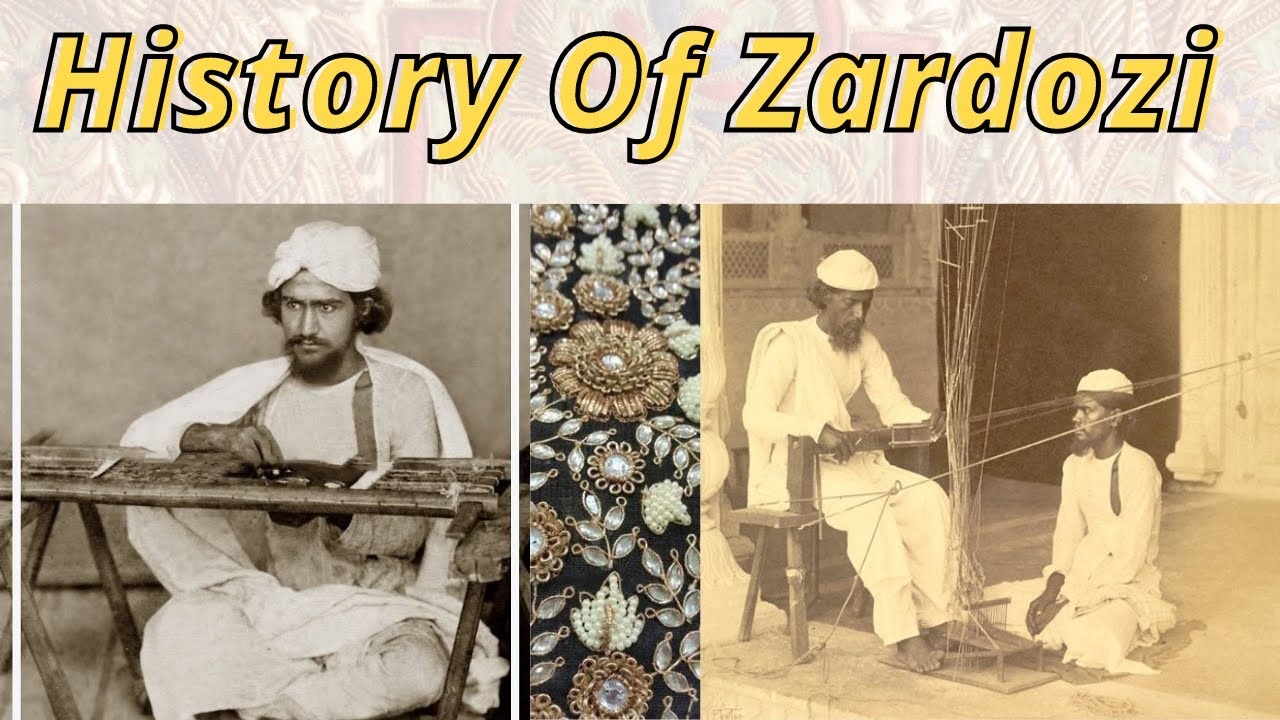
The start of Zari Zardozi in ancient Persian, and then it reached the Indian subcontinent through royal sport and cultural extent. The word Zari means a fine metallic thread, and Zardozi comes from Persian and means gold embroidery. The peak of Zari Zardozi is during the Mughal era, when the imperial government strongly supported the skilled artisans and craftspeople. During royal times, Zari Zardozi was used to decorate the king and queen's dresses, their walls, hang their tents, and their shoes. Experts only work for the royal court and create design that shows power, wealth, and beauty. The common pattern work included flowers, vines, and nature-inspired motifs. And they all stitch it very carefully to give it a rich look.
The art of skilled craftsmanship: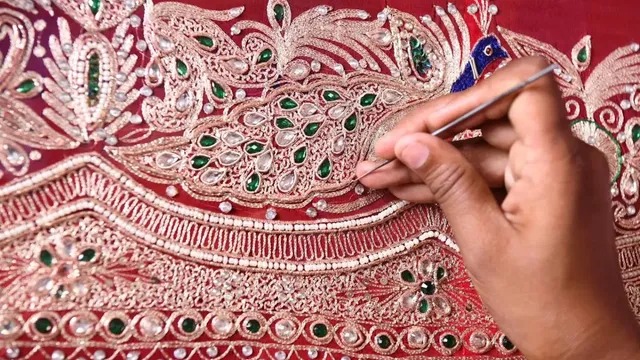
Zeri zardozi is a hand embroidery technique that requires patience, skills, and a year of practice. The process starts with drawing a design on fabric like chiffon, silk, or velvet. The fabric is then tightly stretched on a wooden frame called an adda. Artisans use metallic thread with dabka beads and crystal to make its texture more royal. Even stitches are done with hands, which makes every piece unique.
Traditionally, real gold or silver thread was used, but nowadays designers use copper and synthetic material to make it more affordable. This is not only about embroidery skills, but also a cultural and traditional thing. The knowledge is passed down from one generation to the next, which keeps it rich in heritage.
Wedding and royal outfit: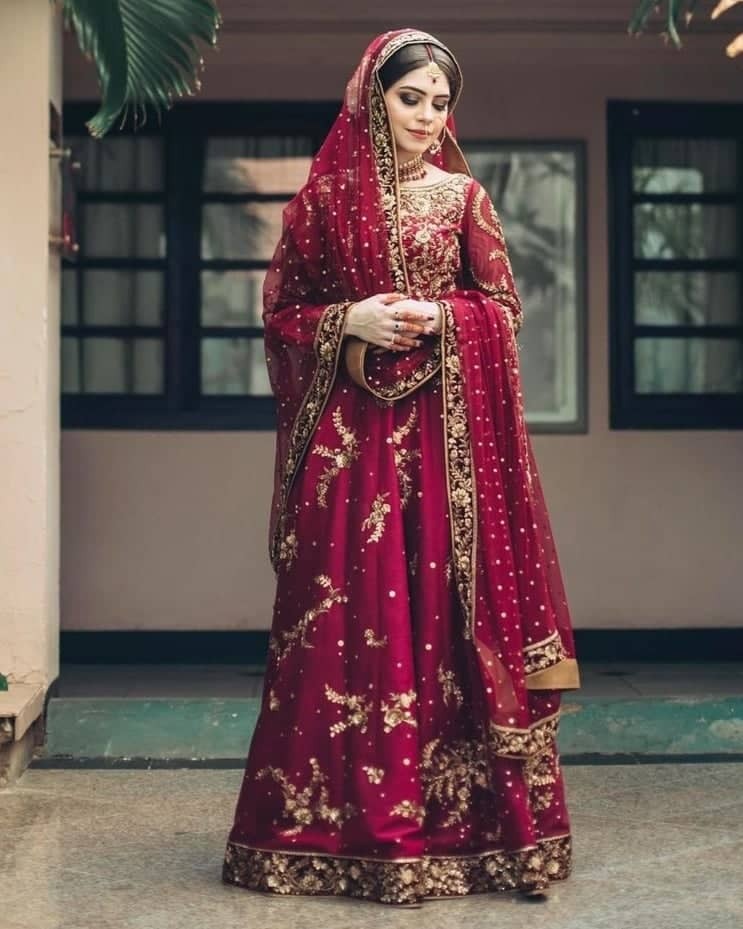
Once there was a time when Zari Zardozi was only for royals, but now it is a part of bridal and courtier fashion. In South Asia, bridal dresses like the lehenga, saree, gharara, and gharara are decorated with Zari Zardozi. Brides prefer to wear these designs, which make their dress more elegant and traditional.
Designers nowadays also add some patterns on the dupatta, border, and sleeves, and give a queenly charm to a dress. Colors like maroon, emerald green, royal blue, and gold are very popular to make this embroidery look more lavish and beautiful.
Cultural Heritage of Zari Zardozi:
Zari Zardozi is famous in countries like Pakistan and India, and it is seen as a heritage in these countries. Cities like Karachi, Lahore, Delhi, and Lucknow are very famous for this embroidery. This art also helped the local artists to give their work in the fashion world, and it also keeps alive our old tradition.
In Pakistan, zari zardozi is often used in bridal dresses to add a more luxurious look. Fresh embroidery, colors, and modern styles give it a modern and traditional look.
Blending traditional with modern: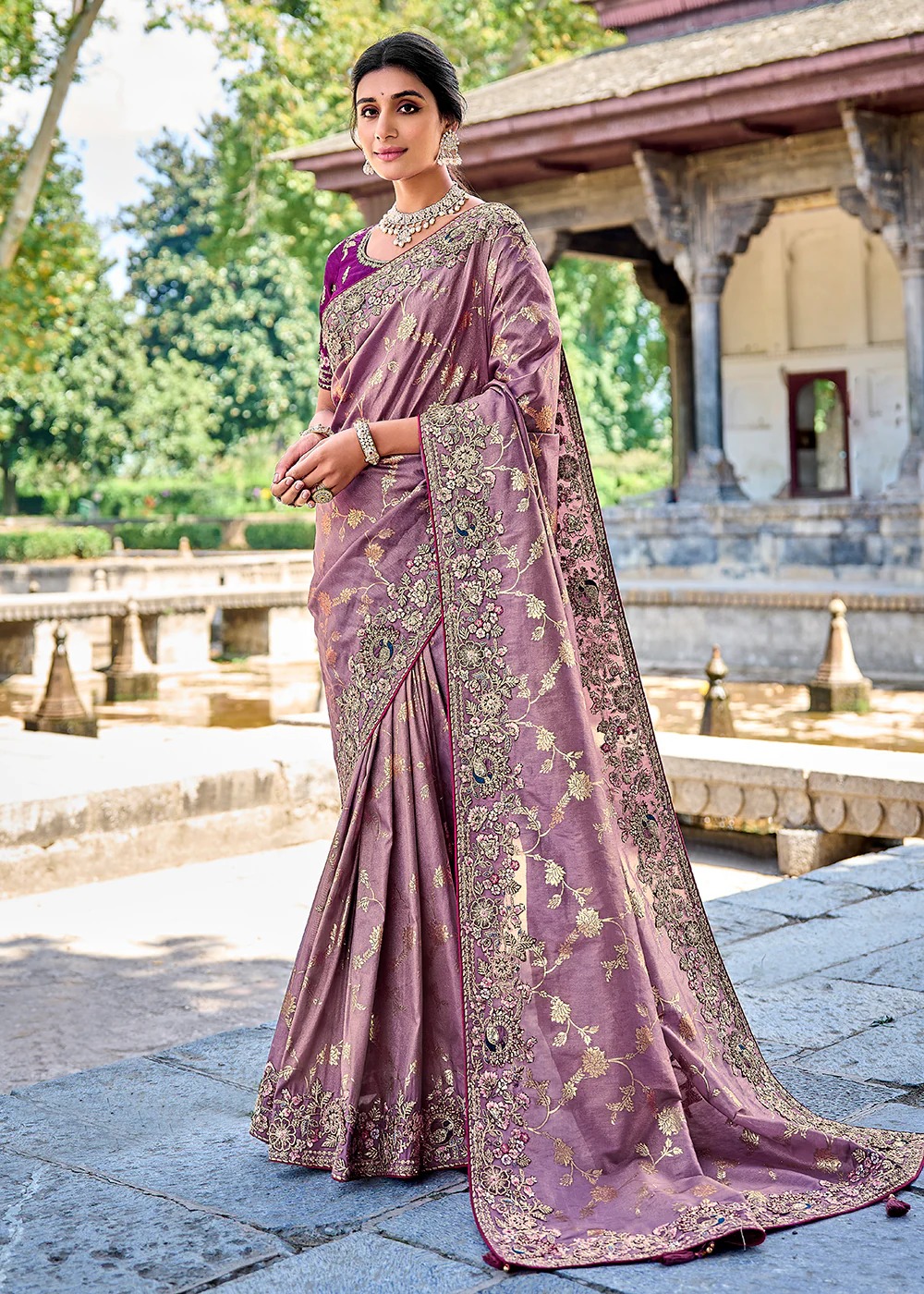
Zardozi is related to our tradition and culture, but it has changed with modern fashion. Nowadays, designers use this simple pattern of Zardozi with pastel colours and modern designs to attract their buyers. Zardozi can be found on jackets, gown caps, and even on western dresses. Many semi-formal dresses also feature light embroidery in Zardozi, so it is no longer just for weddings. This evolution in fashion makes the designs more modern while keeping or preserving their royal charm.
The Future of Zari Zardozi:
Although Zari zardozi is highly valued in the fashion market, it also faces problems like a lack of skilled artists, high material cost, and competition between machine-made embroidery and handmade embroidery. Keeping the royalty of this craft alive needs a lot of effort from designers, buyers, and cultural organizations.
Supporting handmade clothing and paying enough money to the artists and encouraging people to learn this art is an important step. Different fashion shows, festivals, and online platforms can also help to promote this art and preserve this traditional heritage.
Conclusion:
Zari Zardozi has been famous for many years. And it is loved by kings and queens. It also represents our history, culture, and elegance. Nowadays, it has moved from the royal court to today's bridal runways. It shows both artistic skill and hard work.
With the passage of time, as the fashion evolves, Zari Zardozi remains the symbol of luxury and tradition. And it proves that the real beauty comes from the craftsmanship. By supporting and preserving this art, we make sure that Zari Zardozi continues to shine in the coming years.